

Insight
What Is Strategic Foresight and How Can It Future-Proof Your Business?

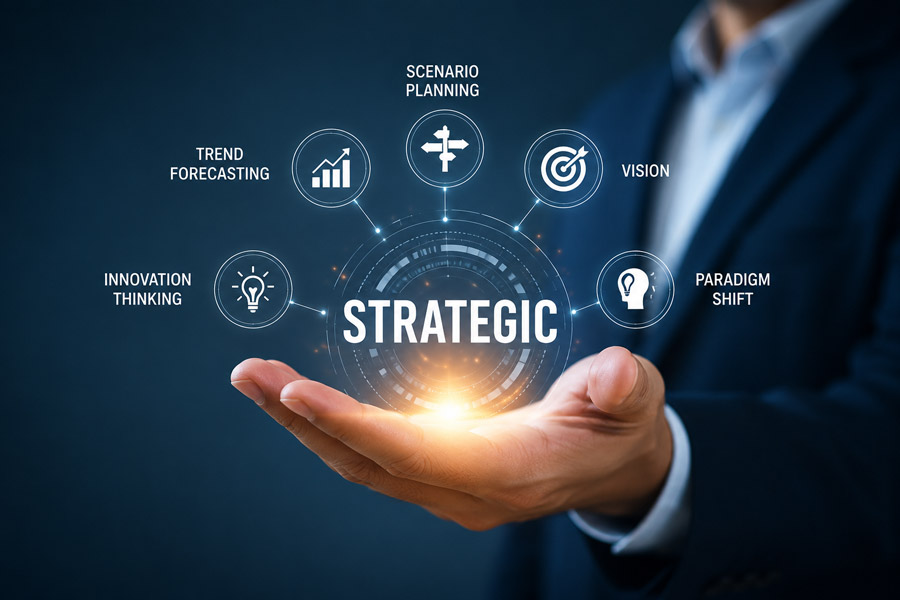
What is strategic foresight and why are successful companies making it a core part of their planning process? Strategic foresight is the practice of exploring possible future changes and preparing for them before they happen. Rather than relying only on past performance, businesses use foresight to identify opportunities, reduce uncertainty, and make smarter decisions. A skilled business growth strategist often uses strategic foresight to help organizations stay ahead in changing markets.
In today’s fast-moving business environment, companies face constant shifts in technology, customer behavior, and economic conditions. Strategic foresight helps leaders think beyond immediate challenges and build plans that support long-term success.
Key Takeaways
- Strategic foresight helps businesses prepare for future uncertainty.
- It supports effective future planning and better decision-making.
- Trend forecasting helps identify emerging opportunities.
- Scenario planning improves organizational preparedness.
- Strategic foresight strengthens business resilience.
- Future-ready organizations use foresight to remain competitive.
What Is Strategic Foresight?
Strategic foresight is a structured approach that helps organizations explore multiple future possibilities. It is not about predicting exactly what will happen. Instead, it focuses on understanding trends, uncertainties, and potential disruptions that could influence business performance in the years ahead.
Organizations use strategic foresight to gain a broader perspective on the future. By examining different possibilities, leaders can make informed decisions today while remaining flexible enough to adapt when conditions change. This proactive approach allows businesses to prepare for opportunities as well as challenges.
Why Strategic Foresight Matters More Than Ever
The pace of change in today’s world is unprecedented. New technologies emerge rapidly, customer expectations evolve, and global events can affect entire industries overnight. Businesses that only react to change often struggle to keep up with competitors.
Strategic foresight provides a way to anticipate shifts before they become major disruptions. It helps organizations identify risks early, evaluate future opportunities, and develop strategies that remain effective under different circumstances.
Some of the key benefits include:
- Improved long-term decision-making
- Better risk management
- Increased adaptability
- Enhanced innovation potential
- Stronger competitive advantage
How Future Planning Supports Long-Term Success
Future planning is one of the most valuable outcomes of strategic foresight. Instead of focusing only on immediate goals, organizations take time to consider how decisions made today may affect future growth and performance. This broader perspective helps leaders allocate resources wisely and align their strategies with long-term objectives. It also reduces the likelihood of being caught off guard by unexpected market changes. As a result, businesses can move forward with greater confidence and clarity.
At Upland, we believe that effective future planning helps organizations stay prepared for change while identifying new opportunities for growth. By combining strategic thinking with practical action, businesses can build a stronger foundation for long-term success. Future planning encourages organizations to remain focused on sustainable growth while maintaining the flexibility needed to respond to emerging challenges and opportunities.
The Role of Trend Forecasting in Strategic Foresight
Trend forecasting plays an important role in understanding where industries and markets may be headed. It involves identifying patterns and signals that suggest future changes in technology, consumer behavior, regulations, and economic conditions.
Businesses that actively monitor trends are often better positioned to capitalize on new opportunities before competitors recognize them. Trend forecasting also helps organizations avoid investing heavily in areas that may become less relevant over time.
By incorporating trend forecasting into strategic planning, companies can develop more informed strategies and make decisions based on future possibilities rather than past assumptions.
How Scenario Planning Helps Businesses Prepare
Scenario planning is another essential component of strategic foresight. Rather than relying on a single prediction, organizations explore several realistic future situations and evaluate how each might affect their operations.
This process helps leaders think critically about uncertainty and develop strategies that remain effective under different conditions. It also encourages organizations to identify potential risks and opportunities before they arise.
Common goals of scenario planning include:
- Preparing for market changes
- Testing strategic decisions
- Identifying potential threats
- Exploring growth opportunities
- Improving organizational flexibility
When businesses understand multiple possible futures, they can respond more effectively to unexpected events.
Building Business Resilience Through Strategic Foresight
Business resilience refers to an organization’s ability to adapt, recover, and continue operating during periods of disruption. Strategic foresight strengthens resilience by helping leaders identify vulnerabilities and prepare for potential challenges before they occur.
Rather than waiting for problems to emerge, organizations can develop contingency plans and create strategies that support stability during uncertain times. This preparation often leads to faster recovery and stronger performance when unexpected events affect the market.
Companies that invest in strategic foresight are typically better equipped to manage change while maintaining customer trust, operational efficiency, and financial stability.
Creating Future-Ready Organizations
Future-ready organizations understand that change is constant. They embrace continuous learning, monitor emerging developments, and adapt their strategies when necessary. Strategic foresight provides the framework needed to support this mindset.
Organizations that prioritize foresight are often more innovative because they actively seek new opportunities and challenge existing assumptions. They are also more likely to recognize shifts in customer needs before competitors do.
As industries continue to evolve, future-ready organizations position themselves for long-term success by remaining flexible, informed, and prepared for a wide range of possibilities.
Strategic Foresight and Business Strategy
Strategic foresight becomes even more powerful when integrated into overall business planning. It helps organizations connect long-term vision with practical decision-making and resource allocation.
Many companies combine foresight initiatives with business strategy and innovation efforts to create stronger growth plans. This approach allows leaders to balance current business priorities with future opportunities, ensuring that strategies remain relevant as conditions change.
Key advantages of integration include:
- Better strategic alignment
- More informed investment decisions
- Increased innovation opportunities
- Stronger market positioning
- Sustainable business growth
When Should Businesses Seek Expert Guidance?
While many organizations recognize the value of strategic foresight, implementing an effective process can be challenging. It often requires specialized research, market analysis, and facilitation skills. Businesses searching for a consulting firm near me may benefit from working with experts who understand foresight methodologies and strategic planning frameworks. Professional guidance can help organizations identify emerging trends, develop future scenarios, and create actionable strategies.
In addition, experienced providers of business consulting firm services can support leadership teams as they navigate uncertainty and pursue long-term growth objectives. Their expertise can make the foresight process more structured, efficient, and impactful.
Conclusion
Understanding what is strategic foresight is essential for organizations that want to thrive in an increasingly complex world. By embracing future planning, trend forecasting, and scenario planning, businesses can make more informed decisions and prepare for uncertainty with confidence.
Strategic foresight is not about predicting the future. It is about building the awareness, flexibility, and readiness needed to succeed regardless of what the future brings. Organizations that invest in foresight today are better positioned to strengthen business resilience, become future-ready organizations, and achieve sustainable growth in the years ahead. Ready to prepare your business for tomorrow’s opportunities? Contact us today to learn how strategic foresight can support your long-term growth and success.
FAQs
1. What is strategic foresight?
Strategic foresight is a structured approach that helps organizations explore possible future scenarios and prepare for change. It focuses on identifying trends, uncertainties, and opportunities so businesses can make informed decisions today while planning for the future.
2. How is strategic foresight different from traditional planning?
Traditional planning often relies on past performance and current conditions. Strategic foresight looks beyond the present by considering multiple future possibilities. This helps businesses remain flexible and better prepared for unexpected changes in the market.
3. Why is strategic foresight important for businesses?
Strategic foresight helps organizations anticipate risks, identify growth opportunities, and improve decision-making. By preparing for different future outcomes, businesses can strengthen resilience and maintain a competitive advantage in a rapidly changing environment.
4. How does strategic foresight support future planning?
Strategic foresight supports future planning by helping leaders understand emerging trends and potential disruptions. This allows organizations to develop long-term strategies that align with future opportunities while reducing uncertainty and risk.
5. Can small and medium-sized businesses benefit from strategic foresight?
Yes. Strategic foresight is valuable for businesses of all sizes. Small and medium-sized organizations can use it to better understand market changes, adapt to customer needs, and create sustainable growth strategies that support long-term success.